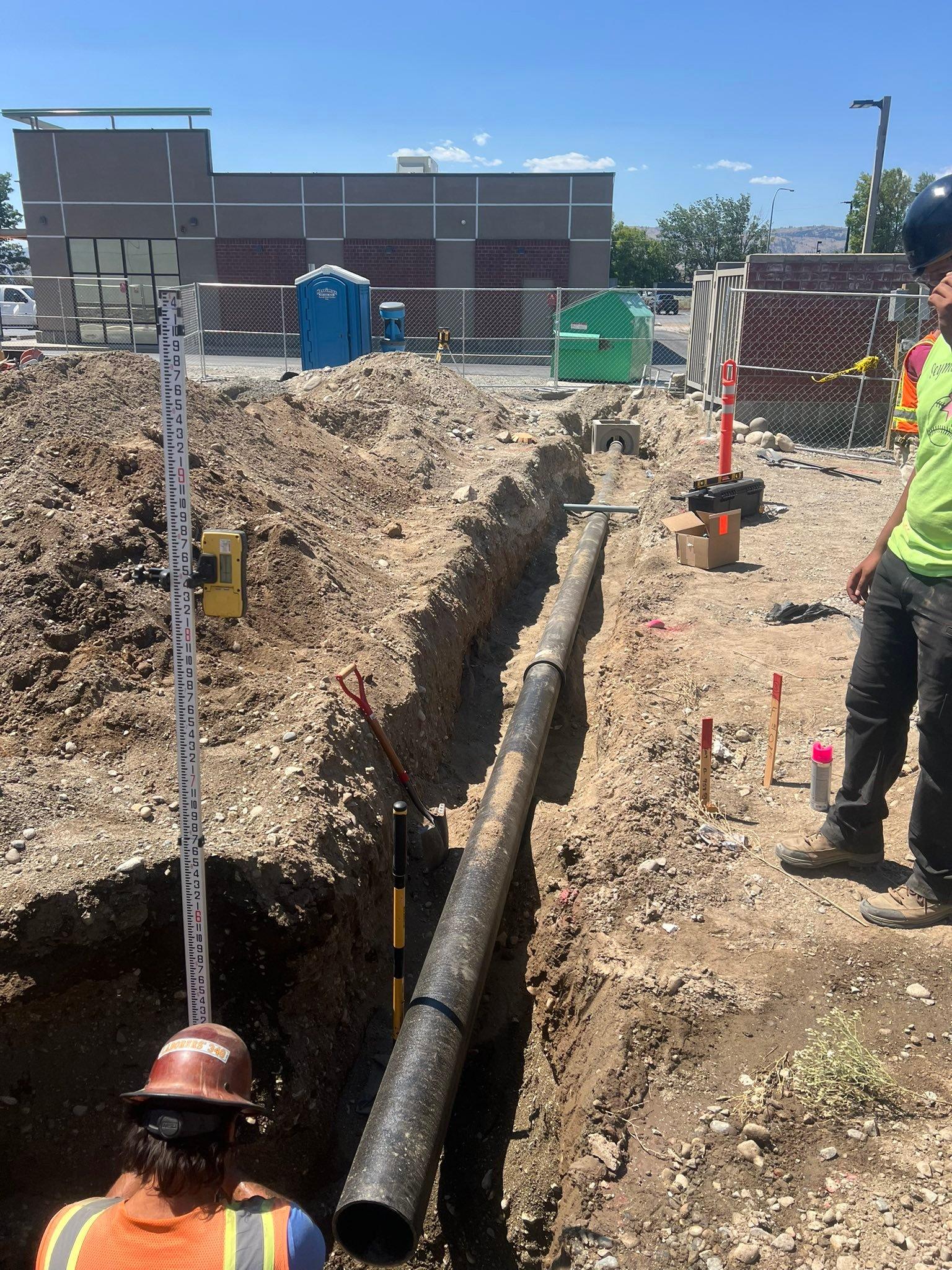
The Hidden Layers: Addressing Environmental Concerns in Excavation Nov 16, 2025
To begin, it's crucial to recognize that excavation, while essential, can disrupt local ecosystems. Soil erosion, land degradation, and habitat destruction are just a few of the potential environmental consequences. However, these challenges are not insurmountable. By adopting sustainable practices, companies like Seymour Excavating can significantly reduce their impact. It's about striking a balance between progress and preservation.
One of the most alarming concerns in excavation is soil erosion. When topsoil is removed, it can lead to sedimentation in nearby water bodies, affecting aquatic life and water quality. To combat this, Seymour Excavating implements strategies such as maintaining vegetation buffers and utilizing silt fences. These measures not only minimize soil displacement but also protect local waterways, ensuring that our project sites remain environmentally sound.
Land degradation is another critical issue. Continual excavation without proper site rehabilitation can lead to long-term environmental damage. To address this, Seymour Excavating prioritizes land restoration once a project is complete. By replanting native vegetation and stabilizing the soil, we help to rejuvenate the land, fostering biodiversity and ensuring the sustainability of the ecosystem.
The disruption of animal and plant habitats is an equally pressing concern. Before breaking ground, comprehensive environmental assessments are essential. These evaluations help to identify and preserve vital habitats. In some cases, it may be necessary to relocate certain species, always striving to minimize disruption and foster coexistence. By taking such proactive measures, Seymour Excavating ensures that biodiversity is safeguarded, even as development progresses.
Moreover, the choice of equipment and machinery plays a significant role in the environmental footprint of excavation. Seymour Excavating opts for energy-efficient machinery to reduce emissions and fuel consumption. Additionally, regular maintenance of equipment ensures optimal performance, further lessening environmental impact. By investing in modern technology, we can achieve efficiency while protecting the natural world.
Public perception and compliance with environmental regulations are vital aspects of sustainable excavation. Transparent communication with local communities and adherence to environmental laws ensure that projects proceed smoothly, with community support and minimal opposition. At Seymour Excavating, we prioritize ongoing dialogue with stakeholders to address concerns and demonstrate our commitment to environmental stewardship.
In conclusion, addressing environmental concerns in excavation is not just about meeting regulatory requirements; it's about taking responsibility for our impact on the earth. Through sustainable practices, such as minimizing soil erosion, restoring land post-project, and using efficient machinery, Seymour Excavating strives to reduce its environmental footprint. By tackling these issues head-on, we ensure that while we build the foundations for tomorrow, we also protect the natural world that sustains us today. As we uncover the hidden layers beneath us, let's pledge to preserve the world around us, ensuring a harmonious balance between development and nature.
/filters:no_upscale()/filters:format(webp)/media/e0649b5b-3336-4024-bbeb-476bdce6759f.jpeg)