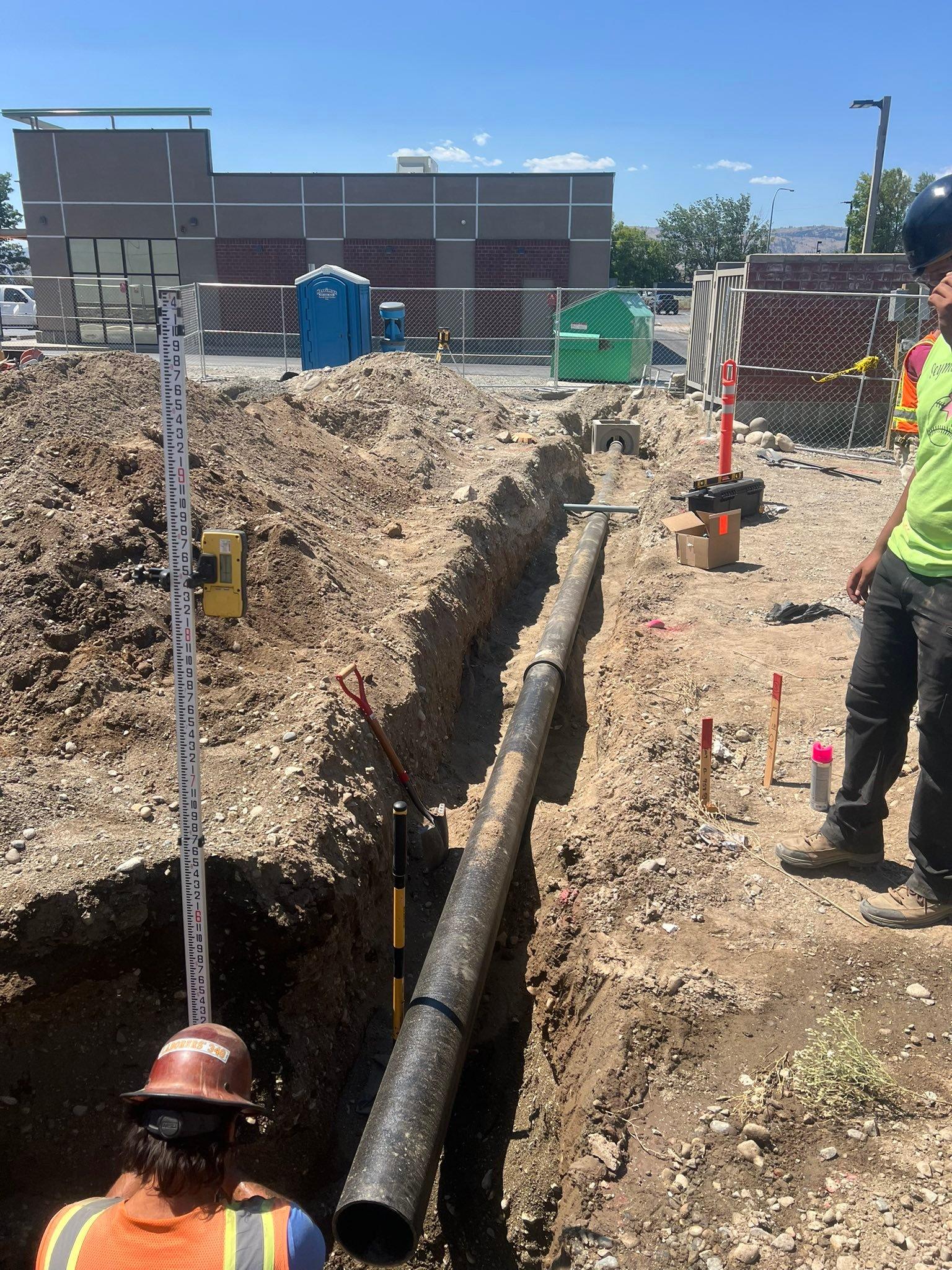
The Art of Earthworks: Balancing Aesthetics and Functionality in Excavation Design Jan 02, 2026
When embarking on an excavation project, the foundational step is thorough planning. At the heart of seamless excavation design lies the necessity to appraise current land conditions accurately. Assessments often include considering soil composition, analyzing slope stability, and identifying potential drainage issues. Investing time in this initial phase allows for a design that can support the desired aesthetic outcomes without compromising on functionality.
One of the key elements of effective earthworks is considering water management. Proper drainage solutions are crucial to prevent erosion and damage to the landscape over time. Designers collaborate closely with engineers to ensure that water runoff is managed in a way that supports the landscape's integrity while enhancing its visual appeal. For instance, the incorporation of French drains or rain gardens can efficiently manage water flow while providing lush, green elements to the design.
Grading is another pivotal aspect of excavation design, influencing both the look and functionality of a site. Proper grading ensures that the land directs water away from structures and maintains a natural, gentle slope, enhancing the aesthetic value. Well-planned grading also facilitates accessibility, ensuring that paths are walkable and safe for all users. When executed with precision, grading can result in a harmonious blend between natural elements and man-made structures, creating landscapes that are both beautiful and practically functional.
Vegetation plays a significant role in balancing aesthetics with functionality. The selection of plant materials should align with the local climate, soil conditions, and the project’s visual goals. Native plants are always an excellent choice as they require less maintenance and irrigation, supporting environmental sustainability. Vegetation not only beautifies a site but also contributes to soil stabilization and habitat creation, adding layers of value to an excavation project.
The integration of advanced technology has revolutionized excavation design. Tools such as 3D modeling and GPS technology allow for precision in planning, ensuring that every aspect of the site is optimized before work begins. These tools aid in visualizing the final design, allowing clients to see how aesthetics and functionality converge. Moreover, they help in minimizing errors, reducing waste, and maximizing efficiency on-site, all of which contribute to a successful and satisfying project outcome.
At Seymour Excavating, we believe that the art of earthworks lies in this meticulous balance between aesthetics and functionality. Our team of experts is committed to delivering designs that exceed our clients' expectations, ensuring that each project we undertake is both visually stunning and practically efficient. As you plan your next excavation project, remember that the key to success is in thoughtful, detailed design that respects the land's natural character while enhancing its functional value.
In conclusion, while the task of balancing aesthetics with functionality in excavation may seem daunting, it is achievable through careful planning and execution. By prioritizing drainage, grading, vegetation, and leveraging the latest technological advancements, Seymour Excavating ensures that each project not only stands the test of time but also enriches the environment and serves its intended purpose.
/filters:no_upscale()/filters:format(webp)/media/e0649b5b-3336-4024-bbeb-476bdce6759f.jpeg)