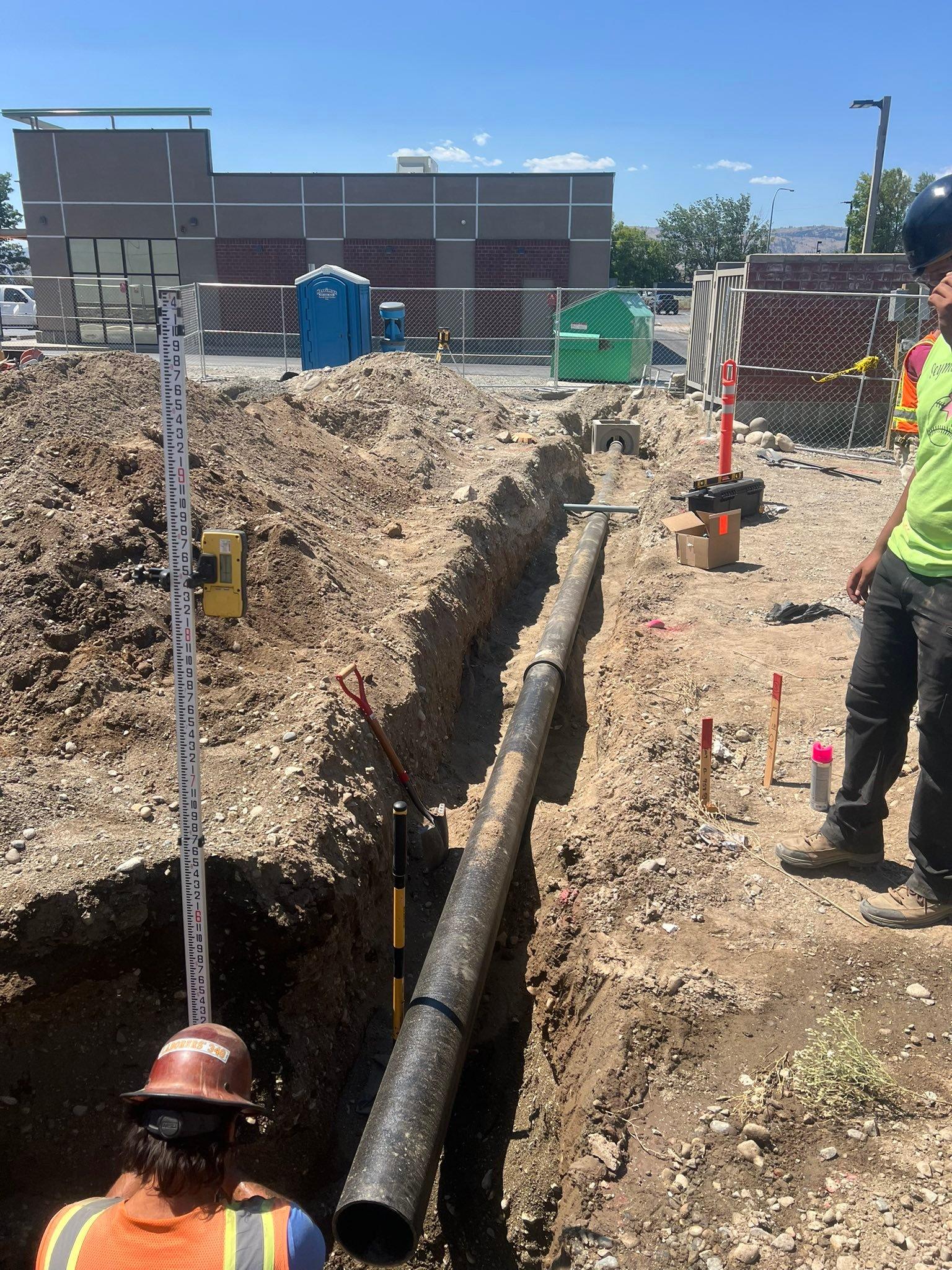
Navigating the Ground: Excavation Techniques for Difficult Terrains May 03, 2026
Difficult terrains present unique challenges that require specialized approaches. These terrains often include rocky grounds, steep slopes, or marshy areas that are not ideal for standard excavation practices. The right techniques can mitigate risks, enhance safety, and ensure that projects run on schedule and within budget.
When dealing with rocky terrains, the use of blasting or hydraulic pounding becomes necessary. These techniques break through hard surfaces efficiently. Blasting involves the use of controlled explosives to break rock into manageable pieces. It's essential to have trained professionals handle this task due to its complexity and potential hazards. Alternatively, hydraulic hammers use heavy equipment to apply direct force to rock formations, an effective method when explosives are not feasible.
For projects on steep slopes, stabilizing the earth to prevent landslides is a principal concern. Terracing is a technique that involves creating step-like formations into the slope to minimize soil erosion and manage water runoff. Similarly, the use of retaining walls is common to support loose soil and provide a degree of safety around the excavation site. Retaining walls also offer a robust barrier that ensures long-term stability, particularly in areas prone to heavy rainfall.
Marshy and wetland areas pose their unique sets of challenges, often requiring procedures like dewatering to make them workable. Dewatering involves removing the water to lower the water table, using pumps and wells, which creates a dry and more stable ground to work on. Another effective approach is the use of matting systems that distribute the weight of heavy machinery, preventing equipment from sinking and creating a stable working platform.
A crucial factor that contributes to a successful excavation in difficult terrains is the use of modern technology. Seymour Excavating employs advanced surveying tools and drones for precise mapping and terrain analysis. These technologies provide valuable data that assist in planning the excavation process, reducing the guesswork, and increasing accuracy. Moreover, the integration of GPS and 3D modeling ensures that every step is carefully monitored and adapted as needed.
Apart from technical considerations, environmental responsibility is also a priority. Excavation companies need to comply with regulatory requirements to minimize ecological impact. Conservation strategies, such as careful site planning and waste management, are implemented to protect surrounding ecosystems. Seymour Excavating prides itself on adopting eco-friendly practices that align with industry standards and client expectations.
In conclusion, navigating difficult terrains for excavation requires a blend of the right techniques, technology, and environmental considerations. Companies like Seymour Excavating demonstrate that with expertise and careful planning, even the most challenging landscapes can be transformed to fit project needs. By embracing innovative methods and maintaining high standards of safety and care, these daunting tasks can be accomplished efficiently, paving the way for successful construction projects and development initiatives.
/filters:no_upscale()/filters:format(webp)/media/e0649b5b-3336-4024-bbeb-476bdce6759f.jpeg)