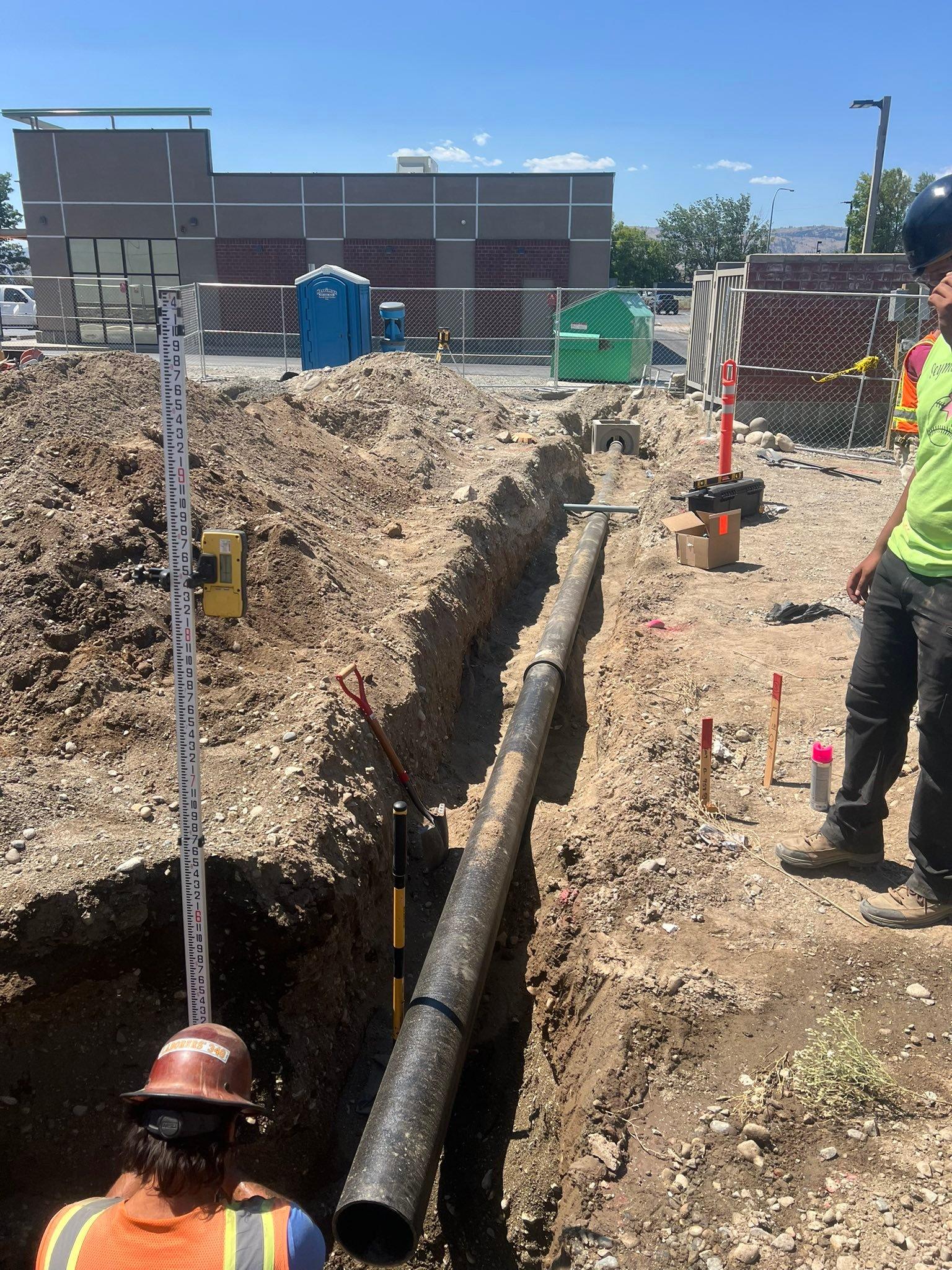
Navigating the Depths: Effective Strategies for Complex Excavation Mar 23, 2026
To begin with, understanding the scope and depth of a project is crucial. A comprehensive site assessment is an indispensable first step. This involves surveying the landscape to identify any potential hazards, such as underground utilities, unstable soil, or environmental challenges. By conducting a thorough site evaluation, companies can mitigate risks and devise a plan that accounts for all potential obstacles.
Choosing the right equipment is another cornerstone of successful excavation. Different projects require different machinery; while some tasks might be easily accomplished with standard backhoes and bulldozers, others might call for more specialized equipment. For instance, projects involving deep digging or work in confined spaces may necessitate the use of compact excavators or even cutting-edge vacuum excavation technology. Ensuring that the right tools are matched to the job not only enhances efficiency but also safety on site.
Safety protocols should be meticulously planned and followed. Excavation involves inherent risks, such as cave-ins, falls, and equipment-related accidents. Implementing a robust safety plan that includes regular training, proper protective attire, and adherence to OSHA regulations is non-negotiable. It's not just about protecting workers but also about ensuring the smooth progression of the project without avoidable interruptions.
Efficient resource management is another strategy that Seymour Excavating could leverage for complex projects. This includes planning for effective allocation and utilization of materials, labor, and time. By optimizing these resources, companies can not only keep costs under control but also ensure projects are completed on schedule.
Communication also plays a pivotal role in the success of challenging excavation projects. Keeping all stakeholders—from team members to clients to regulatory bodies—in the loop with progress updates and any issues that arise can streamline decision-making processes and foster a collaborative environment. Misunderstandings and errors can be minimized when everyone is on the same page, leading to more efficient project completion.
Moreover, environmental considerations must be woven into the fabric of any excavation strategy today. Responsible excavation requires a sensitivity to environmental impact. Whether it's about minimizing earth disturbance, protecting nearby ecosystems, or managing waste diligently, adopting green practices not only preserves natural habitats but also bolsters a company’s reputation as environmentally conscious.
Finally, flexibility is key in adapting to unforeseen challenges. Excavation projects can be unpredictable, and even with thorough planning, encountering unexpected obstacles is not uncommon. Having a contingency plan that allows a project to pivot if necessary can be the difference between a delay and successful, on-time completion.
In conclusion, complex excavation projects demand a multifaceted approach that balances precision, safety, resourcefulness, and environmental stewardship. Companies like Seymour Excavating that embrace these strategies are more likely to successfully navigate and manage the demands of intricate excavation work, delivering on time while maintaining high standards of safety and environmental respect. By applying these insights, businesses can not only execute projects more effectively but also strengthen their position as leaders in the excavation industry.
/filters:no_upscale()/filters:format(webp)/media/e0649b5b-3336-4024-bbeb-476bdce6759f.jpeg)