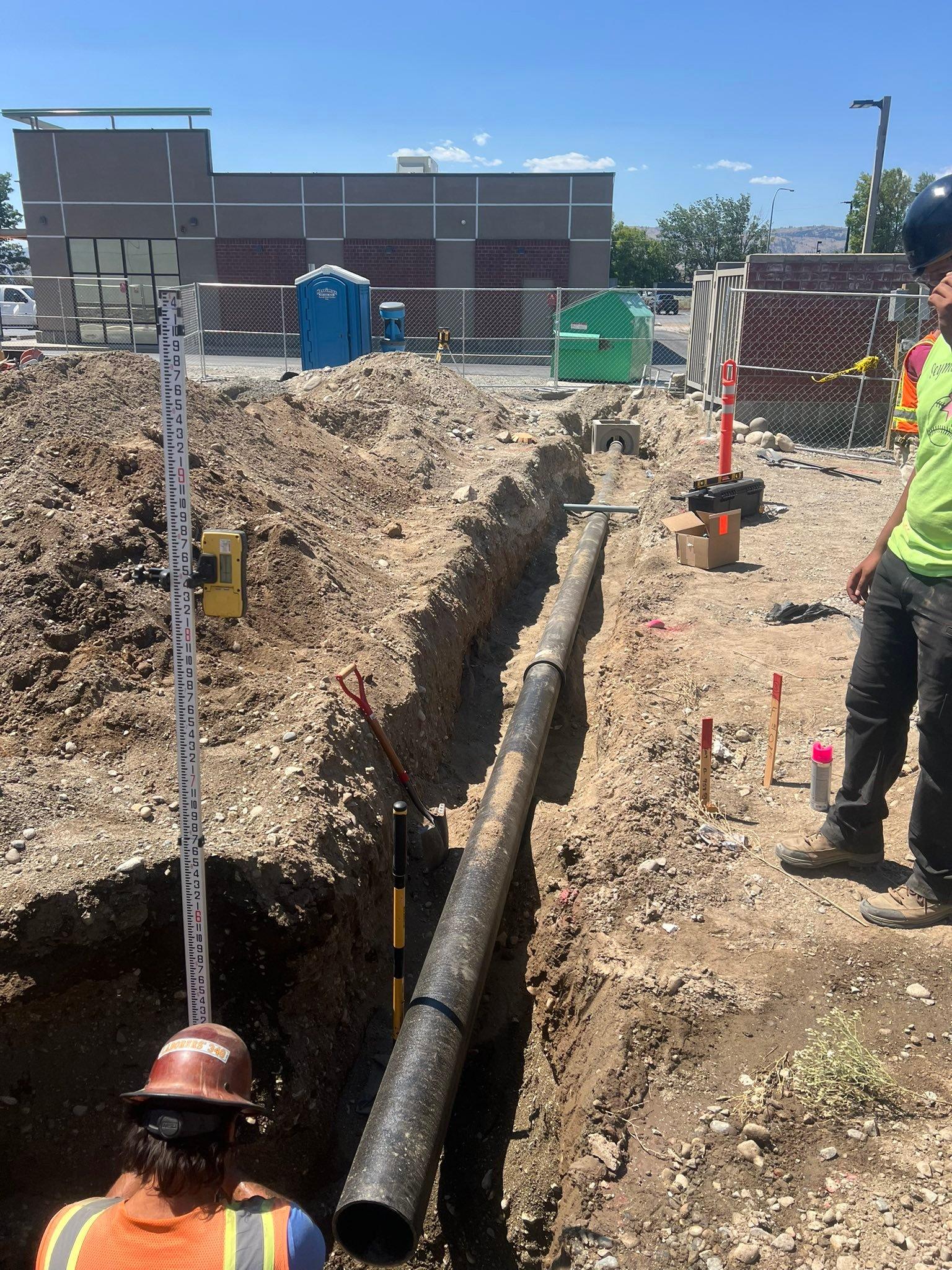
Groundbreaking Efficiency: The Role of Automation in Excavation Projects Jan 28, 2026
The introduction of automation in excavation comes with a leap in groundbreaking efficiency. Traditionally, excavation projects involved significant manual labor, which could lead to human error, extended timelines, and increased costs. With automation, many of these challenges can be minimized or entirely eliminated. Automated machinery in excavation offers precision unmatched by traditional methods, reducing the margin for error and streamlining the excavation process.
One of the significant advantages of automation is its impact on productivity. Automated equipment can operate continuously without breaks, drastically reducing downtime. This constant output enables companies like Seymour Excavating to complete projects faster, while maintaining the highest quality standards. Efficiency in time translates into cost savings for clients, allowing for the allocation of resources to other vital areas of a project.
Safety is another paramount concern where automation makes a substantial difference. Traditional excavation methods can pose risks to workers, due to the hazardous conditions inherent in digging and earthmoving activities. However, with the advent of autonomous and remote-controlled machinery, the need for personnel to be physically present in potential danger zones is drastically reduced. This shift not only safeguards the workforce but also reduces the liability for excavation companies, fostering a culture of safety and trust.
Moreover, automation in excavation projects leads to improved accuracy in earthworks. Advanced GPS and 3D modeling technology allow machinery to follow precise plans and execute tasks with immaculate precision. This capability ensures that projects adhere strictly to design specifications, greatly reducing the likelihood of costly rework or material waste. Such precision was previously unattainable and highlights how technology can enhance the environmental and financial viability of projects.
For Seymour Excavating, the implementation of automation also means improved project management. Software solutions that track equipment usage, project timelines, and resource allocation provide a comprehensive view of a project’s progress. This transparency ensures that stakeholders are kept informed and modifications or adjustments can be made with little disruption. The ability to foresee potential issues through predictive analysis further fortifies the reliability of project delivery.
Despite the numerous benefits, the transition to automated systems does require an initial investment in technology and training. Companies must ensure that their workforce is adept at managing and maintaining this sophisticated machinery. However, the long-term advantages of reduced operational costs, increased safety, and enhanced project output often outweigh these initial costs, offering substantial returns on investment.
In conclusion, the role of automation in excavation projects is pivotal for companies aiming to maintain competitive edges and deliver exceptional service. Seymour Excavating’s embrace of these technologies exemplifies a commitment to progress and customer satisfaction. By leveraging automation, the company is not only improving its processes but also setting industry standards for efficiency and innovation. As technological advancements continue to evolve, the potential for further enhancements in this field remains boundless, promising an exciting future for excavation businesses and their clients alike.
/filters:no_upscale()/filters:format(webp)/media/e0649b5b-3336-4024-bbeb-476bdce6759f.jpeg)